
Laundry Room Remodel: Things to Think About for Your Peoria, AZ Home
A practical planning guide before you start a laundry room remodel.
Laundry rooms don’t usually make the remodeling short list. They aren’t glamorous, they don’t show up in listing photos the way kitchens do, and they’re easy to ignore until something stops working.
But for families in Peoria and across West Phoenix, the laundry room is one of the hardest-working spaces in the house. When it’s poorly designed, it quietly adds friction to daily life. When it’s planned well, it saves time, reduces clutter, and makes a weekly chore far more manageable.
Many homes in this part of the Valley were built in the late 1990s and early 2000s. Laundry rooms were often treated as an afterthought, tucked into hallways or garages with minimal storage, weak lighting, and just enough space to squeeze past appliances.
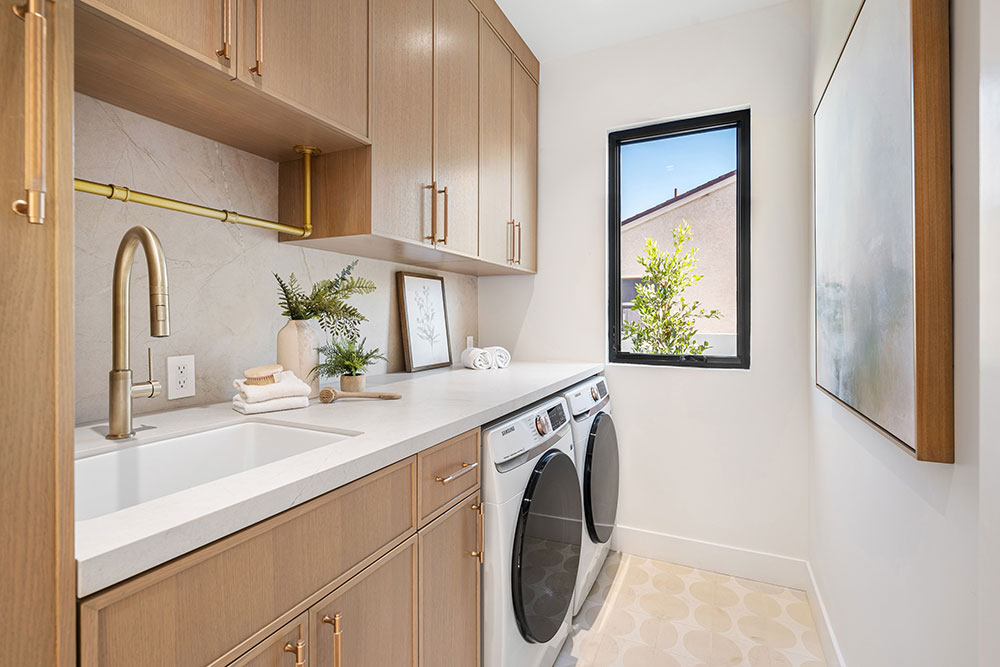
Why Laundry Room Remodels Matter More Than You Think
A laundry room is about movement, timing, and repetition.
In busy households, laundry happens:
- Early in the morning
- Late at night
- Between school pickups and work calls
- On weekends when everyone is home
A remodel that ignores these realities often misses the mark. A remodel that plans for them can quietly improve daily routines for years.
Who Does the Laundry?
Before choosing cabinets or appliances, look at behavior.
Ask yourself:
- How many loads do you run in a typical week?
- Who does the laundry, one person or several?
- Do clothes get folded in the laundry room or carried elsewhere?
- Where do clean clothes pile up?
These answers shape everything that follows. A laundry room designed for a single adult looks very different from one supporting a family of four or five.
Evaluate the Layout and Available Space
Laundry rooms in Peoria often fall into one of three categories:
- Narrow hallway-style rooms
- Small dedicated rooms off the garage
- Shared spaces combined with mudrooms or storage areas
At this stage, consider:
- Whether the room can be widened or reconfigured
- If door placement restricts movement
- Whether circulation feels cramped with appliances open
Sometimes even minor layout changes, such as relocating a door or adjusting appliance orientation, dramatically improve usability.
👉 Schedule Your Free Consultation!
Side-by-Side vs. Stackable Washer and Dryer
This is one of the most important early decisions.
Side-by-Side Appliances
Best for:
- Larger households
- Frequent laundry loads
- Homes with enough width
Pros:
- Easier access
- Space for counters above
- Less bending and lifting
Cons:
- Requires more horizontal space
Stackable Washer and Dryer
Best for:
- Smaller laundry rooms
- Hallway or closet-style spaces
- Homes prioritizing vertical storage
Pros:
- Saves floor space
- Allows room for cabinets or utility features
Cons:
- Can be less ergonomic
- Limits counter options
The right choice depends on how often the room is used and how much space you have to work with.
Plan Storage Based on Real Needs
Storage is where many laundry room remodels succeed or fail.
Common storage needs include:
- Detergents and cleaning supplies
- Bulk household items
- Brooms, mops, and vacuums
- Towels and linens
Cabinets vs. Open Shelving
- Cabinets keep things visually tidy and reduce dust
- Open shelves allow quick access but require discipline
Many homeowners choose a mix: closed storage for clutter, open shelving for daily-use items.
Tall cabinets are especially useful in homes where garage storage is limited.
Counter Space Is Not Optional
A laundry room without counter space forces clothes to travel elsewhere for folding, sorting, or staging.
Even a modest counter provides:
- A place to fold clothes
- Space to treat stains
- Room to set baskets temporarily
Durable, easy-to-clean surfaces work best. This isn’t the place for delicate materials that can’t handle moisture or cleaning products.
Include a Hamper System That Fits Your Household
Integrated hamper systems are often overlooked, but they can significantly reduce clutter.
Options include:
- Pull-out hampers built into cabinets
- Separate hampers for lights, darks, or towels
- Rolling hampers for larger households
Planning this early prevents the room from becoming a catch-all later.
Decide on a Utility Sink (Or Why You Might Skip It)
Utility sinks aren’t necessary in every home, but they can be valuable.
They’re useful for:
- Pre-soaking stained clothing
- Washing small household items
- Cleaning up without using kitchen or bathroom sinks
However, they require:
- Additional plumbing
- Floor space
- Splash protection
In smaller laundry rooms, homeowners sometimes trade the sink for more counter or storage space. The right choice depends on habits, not expectations.
Think Through Hanging, Drying, and Ironing Needs
Not all clothes go straight into the dryer.
Consider adding:
- Retractable hanging rods
- Wall-mounted drying racks
- Fold-down ironing boards
- Pull-out hanging systems inside cabinets
These features are inexpensive when planned upfront and awkward to retrofit later.
👉 Schedule a Free Consultation for Your Peoria, AZ Home!
Lighting That Supports the Task
Laundry rooms are task-oriented spaces, yet many rely on a single overhead light.
Better lighting includes:
- Bright, even overhead illumination
- Task lighting over counters
- Minimal shadows
Good lighting reduces eye strain and makes sorting and folding easier, especially in rooms without windows.
Choose Flooring That Can Handle Moisture and Wear
Laundry rooms are utility spaces. Flooring needs to tolerate water, vibration, and frequent cleaning.
Popular choices include:
- Tile
- Luxury vinyl plank
- Sealed concrete (in some homes)
Slip resistance and durability matter more here than appearance alone.
Plan for Noise Control and Sound Transfer
Laundry noise can be surprisingly disruptive, especially in homes where the laundry room sits near bedrooms or living areas.
Noise reduction strategies include:
- Solid-core doors
- Insulated walls
- Anti-vibration pads under appliances
- Soft-close cabinetry
Even small soundproofing measures can make a noticeable difference.
Appliance Selection and Placement
Choosing appliances early helps avoid layout conflicts later.
Consider:
- Appliance depth and door swing
- Front-load vs top-load preferences
- Energy efficiency
- Smart features that fit your lifestyle
Placement should allow doors to open fully without blocking walkways.
Timeline and Disruption Planning
Laundry room remodels are typically shorter than kitchens or bathrooms, but they still require planning.
Ask:
- How long will appliances be disconnected?
- Where will laundry be handled temporarily?
- What hours will work occur?
Knowing this ahead of time helps families adjust routines smoothly.
Common Laundry Room Remodel Mistakes in Peoria & West Phoenix Homes
Homeowners often run into issues when they:
- Underestimate storage needs
- Skip counter space
- Choose appliances before planning layout
- Ignore noise transfer
- Treat the room as an afterthought
Most of these problems are preventable with early planning.
Planning a Laundry Room Remodel in Peoria or West Phoenix?
If you’re considering a laundry room remodel, a short planning consultation can help you:
- Evaluate your existing space
- Decide between layout and appliance options
- Identify storage and workflow improvements
- Avoid costly mid-project changes
Thinking about upgrading your laundry room?
Contact us to schedule a consultation and get expert guidance before your remodel begins.
A well-planned laundry room may not steal the spotlight, but it quietly supports the rhythm of everyday life and that’s where its real value lies.
👉 Schedule Your Free Consultation Today!